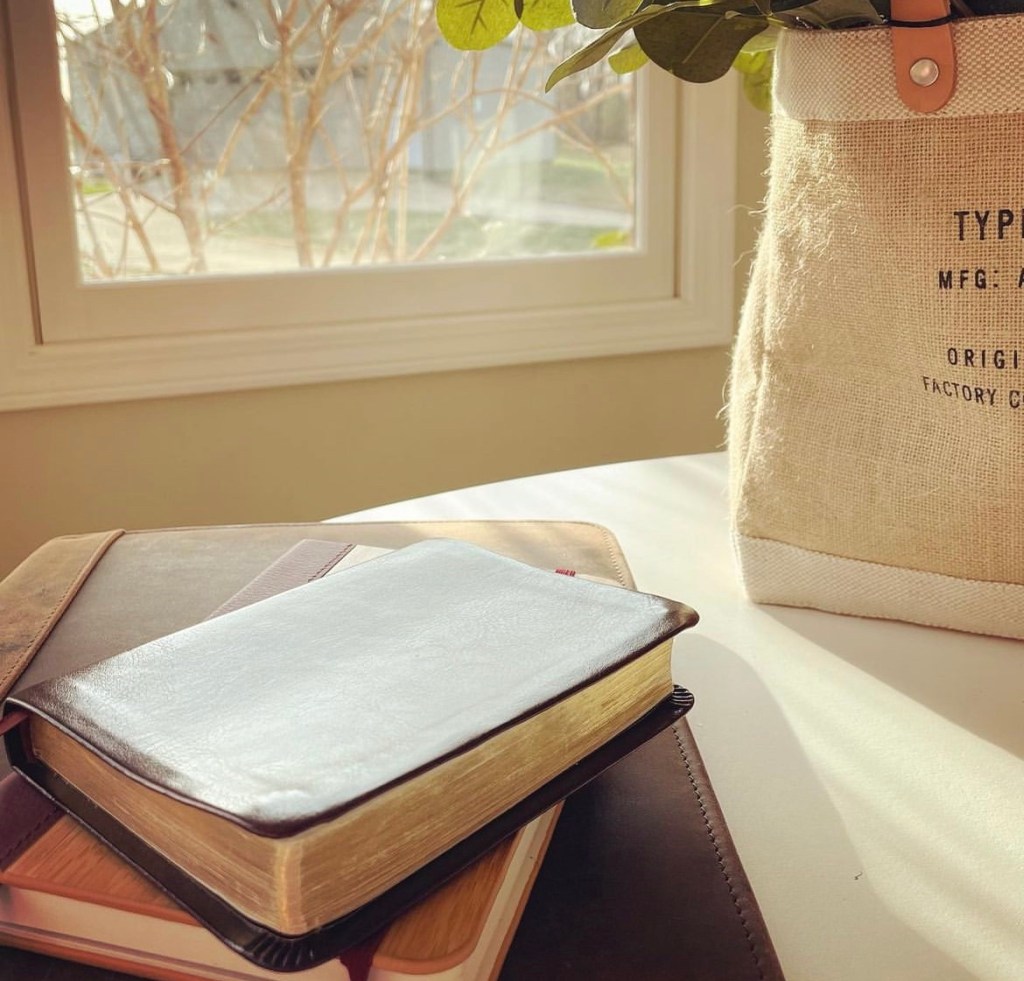
Intentional Practices in Distraction

We often find ourselves in seasons of distraction.

While we may be moving rapidly through full, busy days, we find our actual focus dulled by the summer heat, numerous activities, major health challenges, or unending preparations for upcoming events.

Distraction becomes a subtle destroyer- we may still get everything done, but little is done well or enjoyed fully as we take on more and more.

Even if we recognize this problem, we often do not want to burden others with our challenges, and because of this social silence, we tend to think we are the only ones distressed by the busy pace. In our desire to avoid awkwardness, we actually create more opportunities for our distress to grow and potentially lead to lasting spiritual harm.

Unless we acknowledge the challenge, we cannot employ intentional practices to overcome the fatigue and frustration created by our distractions.

In distracted seasons, we need to recenter our lives with intentional prayer.

In overwhelming busyness, it is difficult to take time to truly pray. The idea of setting aside time to pray in the midst of an already hectic life seems counterintuitive.

“Why pray when I could be doing?” “Rather than a certain time, can’t I just pray as I move through my busy day?” “Isn’t spontaneous prayer really more heart-felt anyway?”

While we can pray at any time in any place, Scripture reveals that some spiritual victories come only in response to a disciplined life (Mt 17:19-21). It is Satan’s design to disconnect us from God, our Source of spiritual strength.

As the saying goes, if the devil cannot make us bad, he will make us busy.

When we move to pray, we are taking a step toward returning our relationship with God to the center of our lives.

It is in life’s most hectic times when we feel least like praying that we often most need to pray.

We keep track of the most important appointments/events in our lives. We mark down what we do not want to miss- doctors’ appointments, weddings, reunions, recitals, concerts, and ballgames. It is not that we would always forget, but that we want to be certain to prioritize the most important things and set that time apart. What could be more important than a daily appointment with the Lord that we prepare for and commit to keeping amid the busyness of life?

A set time of prayer need not be seen as a surrender to legalism, but simply a personal discipline that seeks to shape our busy days with more time purposefully spent with God.

Along with prayer, we need to reengage in intentional fellowship with others.

While a restored connection to God through prayer is essential, we also need the support of other believers as we seek to establish balance and boundaries in our lives.

As human beings, we are created for life in community- both socially and spiritually.

In times when our own fire is dimmed and dying out, we can draw warmth and light from the believers gathered around us. We may feel like we are the only ones struggling, but when we give voice to our fears, we find others too are overwhelmed by life’s hardships. Such honesty serves as a gateway to the strength that comes only when fellow disciples join together to listen, pray, and bear one another’s burdens.

In Christ, we have access to our Heavenly Father and the comfort of the Spirit throughout our lives- even in seasons of increased busyness and distraction.

In the face of life’s distractions, we can choose to embrace the practices of intentional prayer and active fellowship in order to refocus on God and draw strength from the enduring bond we share in Christ.

Come aside and rest awhile…

On reaching another birthday, I am realizing my physical resilience is not what it was years ago. Two decades ago, as a young minister, I could get up early, stay up late, and do a lot in between with seemingly little physical cost. While we often experience decreasing physical energy as we age, spiritual fatigue is a more subtle danger facing us in our constantly overscheduled world.

We live in an age of constant rush. Advances in technology have made daily tasks easier/faster, but rather than taking more time to rest and engage with friends and family, we have allowed cultural pressures to convince us to add even more busyness to our lives.

There never seem to be enough hours in the day or days in the week to accomplish all of our plans. We constantly bemoan our lack of time, but in reality, we are often choosing to take on more than is healthy for us- both physically and spiritually.

Those walking through addiction recovery understand that the danger of relapse dramatically increases during times of stress- hunger, loneliness, fatigue, shifting schedules, or relationship crises. Just as acute stress can pose dangers, potential pitfalls abound when we continually chase the idol of busyness.

In our constant pressing forward, we invite damage to our health, our relationships, and ultimately, our connection with God.

Blinded by busyness, we often refuse to heed the warning signs of overwork and overstimulation.

If we do not intentionally seek rest, we will unintentionally break down under the constant strain of our schedules.

This truth is not only a pillar of contemporary self-help books, the importance of rest is a principle deeply rooted in Scripture.

While murder and adultery are condemned in the Ten Commandments, weekly rest is commanded (Exodus 20:8-11). This detailed idea of Sabbath as a day of rest looks far different than most of the weekend rituals we practice today.

On the very day God’s Old Testament people were told to abstain from all work, modern believers often attempt to frantically jam more activity into the end of our week.

On Sunday when the New Testament saints gathered for longer periods worship (Acts 20:7), we often rush through our worship (or skip it entirely) in order to pack in baby showers, bridal teas, ball practices, family visits, grocery shopping, and preparations for the upcoming week.

The concept of the “Sunday scaries,” the idea that the anticipation of the coming week’s overwhelming busyness invades our day of rest and overwhelms our peace of mind, is a reality for many today.

Surrounded by our culture of hustle, we each must find ways to rest- even as we live in the midst of such external busyness. This need for grounding calm in a chaotic world is nothing new for believers.

In the midst of trauma and unrest, David strengthened himself in God (1 Sam 23:16). In the midst of persecution and physical danger, God provided sleep and food for Elijah (1 Kgs 19:4-7).

In the gospels, Jesus withdrew and prayed alone with His Father- both as a regular practice (Lk 5:16) and at especially critical moments (Lk 6:12-13). In the midst of a period of exceedingly fruitful ministry that proved overwhelming to the disciples, Jesus invited them to pull back, regroup, and rest (Mk 6:31).

If Moses, David, Elijah, Peter, and even Jesus needed times of rest and renewal, we are foolish to think we can just keep running at full speed without disastrous consequences.

Mature believers must come to recognize the self-deception we embrace whenever we trust our own strength and proceed to pile on more and more busyness wearing ourselves thin with constant activity.

Whenever human ability alone is trusted as the source of spiritual strength, failure is certain.

We must be willing to set our minds on the things of the Spirit (Rom 8:6), and then intentionally seek the rest and renewal that can only come through time spent in God’s presence.

Asking for directions…

When we are willing to ask for help, we receive as well as give a blessing.

When we are willing to humbly open our lives to instruction and correction, we create an opportunity for others use their talents and gifts to edify and encourage us.

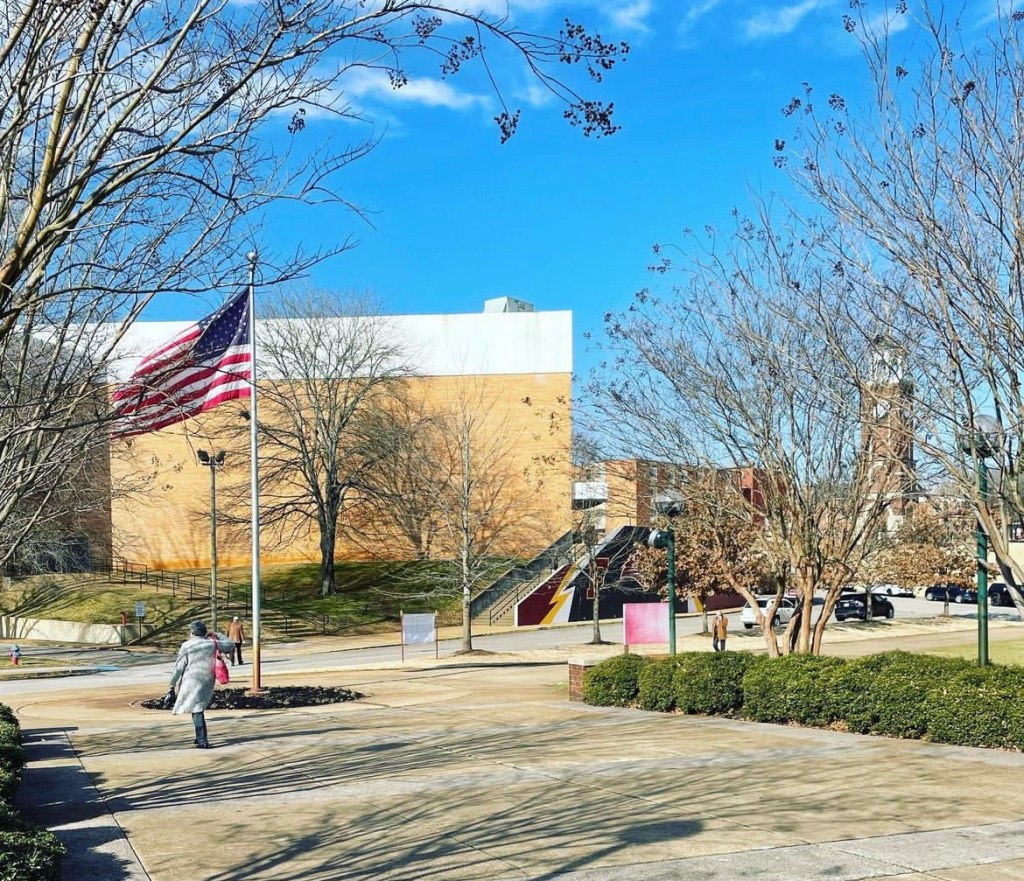
While on campus for Freed-Hardeman University’s annual Bible Lectureship last year, I stopped outside the Brewer Sports Center to check my schedule for the day’s sessions before heading over to the campus-wide chapel service. Many ministry/missionary booths were on display inside the main gym, and several people were coming and going- hurriedly seeking to make it to their next session.

A middle-aged man I did not know approached me and said, “I am sorry to bother you, brother, but it is my first time here on campus and perhaps you could help me. Do you know where the Loyd Auditorium is?”

I smiled, looked up, and said, “You’re on the right track. That’s it right there,” and pointed to the large building standing directly in front of him. He laughed at himself, thanked me, and walked off toward the prominent building.

Would he have found the auditorium without involving me?

Almost certainly, but he willingly admitted he wasn’t sure and needed help. Because he was willing to acknowledge he was lacking information, he asked for help and avoided unnecessary wandering or confusion. He was on the right path, but he wasn’t sure of his awareness and rather than unnecessarily going further with his uncertainty, he asked for directions.

Spiritually, we can find ourselves wandering with only a vague idea of where we are headed. Sometimes we choose to take the chance that will run into a sign or make it safely just by following the largest crowd. In reality, we have access to the direction of God’s word, a perfect waymaker in Christ, and willing guides in other believers who have traveled the same roads many times and by their experience in the Christian life can help point us on our way. Often the path to the goal is right in front of us if we are willing to follow it and ask for help along the journey.

As we travel forward in the life of faith, we must allow God’s word to guide our steps and never be afraid to admit when we feel lost or confused. We all will have doubts and fears along the journey, but we cannot allow fear, embarrasment, or pride to prevent us from seeking the help we need.

In asking for help, we admit our limitations, and we open a door for others to use their gifts for God’s glory.

In looking to Jesus, we see a perfect path to follow. In leaning on each other and the wisdom of those who have walked this life before us, we receive the blessing of their experience, and they receive the blessing of sharing our fresh enthusiasm as we seek to walk in the way of Jesus.

Embracing a daily spiritual practice…

Embracing daily spiritual practices should not be seen as an attempt to earn God’s grace or to increase His love for us- in Christ, we already have those blessings in abundance and no action on our part can merit more of God’s saving grace or bountiful gifts.

Spiritual practices should instead be centered in our desire to know God more fully and our desire to then seek His will for our lives more faithfully.

Realizing this difference changes our perspective.

When we are occasionally tired and fail to pray or busy and fail to study, we are not afraid of God’s wrath at our weakness, but we instead miss our time spent in His presence.

We are so connected to Him that to not spend time in devotion causes a loneliness in us and a longing hunger to renew our commitment to Him.

I want to grow in intimacy with God not out of some passionless sense of duty or fear, but out of a genuine desire to spend time and communion with my Father and my Friend.

When we reach this point relationally with God, devotion becomes a conversation we long for rather than a hurried errand we feel pressured to fit into our already packed day. We will long to meet the Lord in the morning and to come into our quietness with Him each night.

Rather than driving us toward isolation, such private times serve to deepen our relationship not only with God but with other like-minded believers. As we maintain daily intimacy with God, our times of gathered worship with others are not just a religious chore to be checked off but a centering of our lives celebrated in community with fellow Christ followers. When we find greater joy in the daily sharing of time with God, the strength of that personal relationship should stir within us a longing for the collective worship we find in His church.

As we mature, each believer will recognize the need for different approaches and rhythms in private devotional life, yet all of us can come to love God more deeply and see His will for us more perfectly through faithfully spending time each day in His presence. When we love being with Him and make growing our relationship with God a priority, we are better equipped to take the inner strength gained in solitary devotion into the daily tasks of life and to become more closely attuned to the spiritual needs of others.