
In our all-too-frequent moments of national crisis, religious leaders often declare that God’s people need to pray BIG prayers.
Prayers that will change our nation. Prayers that will revive our churches. Prayers that will halt gun violence and cure racism. We are told again and again that these are just the type of big, broad, and bold prayers that will bring our sin-sick society back to God.
While there is nothing wrong with offering such prayers for our hurting world, I believe the prayer with the most potential for lasting change is to ask God to truly show us the more personal challenges and compromises that so often rise up within our hearts and displace Him from His rightful place in our lives.
In Psalm 139:23-24, the inspired writer offers the words, “Search me, O God, and know my heart: try me, and know my thoughts: and see if there be any wicked way in me, and lead me in the way everlasting.” (KJV)
This prayer is both expansive and intimate, both personal and daring. In praying these words, we are not asking God to change the world in a instant or to overwhelm our lives with more material abundance- we are instead taking the difficult, yet necessary, step toward a closer walk with God by openly confessing our own limitations and admitting our vulnerability and frailties before His perfect holiness.
It is important to note what is being asked in this two-verse prayer.
When we ask God to search the heart, we are asking for one of the most intimate and intense experiences possible. We know from Scripture that the human heart without God’s presence is “deceitful about all things…desperately wicked” (Jer 17:9). In a world where evil is attributed to various combinations of environment, heredity, chance, social issues, and bad choices, believers realize that there is a spiritual component to the darkness in our world. Such darkness is not only abstractly thriving “out there” in repeated tragedies like mass shootings, ongoing heartaches like the opioid crisis, and broken social systems that promote racial/class/religious divisions, but this spiritual darkness is also present to some degree within each person who inevitably does wrong and sinful things each day.
When Paul says, “all have sinned and fallen short of the glory of God,” he truly means all of us (Rom 3:23).
When we consider the words of Psalm 139, it is essential to observe whose heart we desire God to search and expose. When my neighbor hurts me, I want to know why. When my spouse is unkind, I can dream up all sorts of reasons for the behavior. When someone cuts me off in traffic, I want him to see the error of his ways, yet the psalmist’s prayer is not focused on the hearts or actions of others.
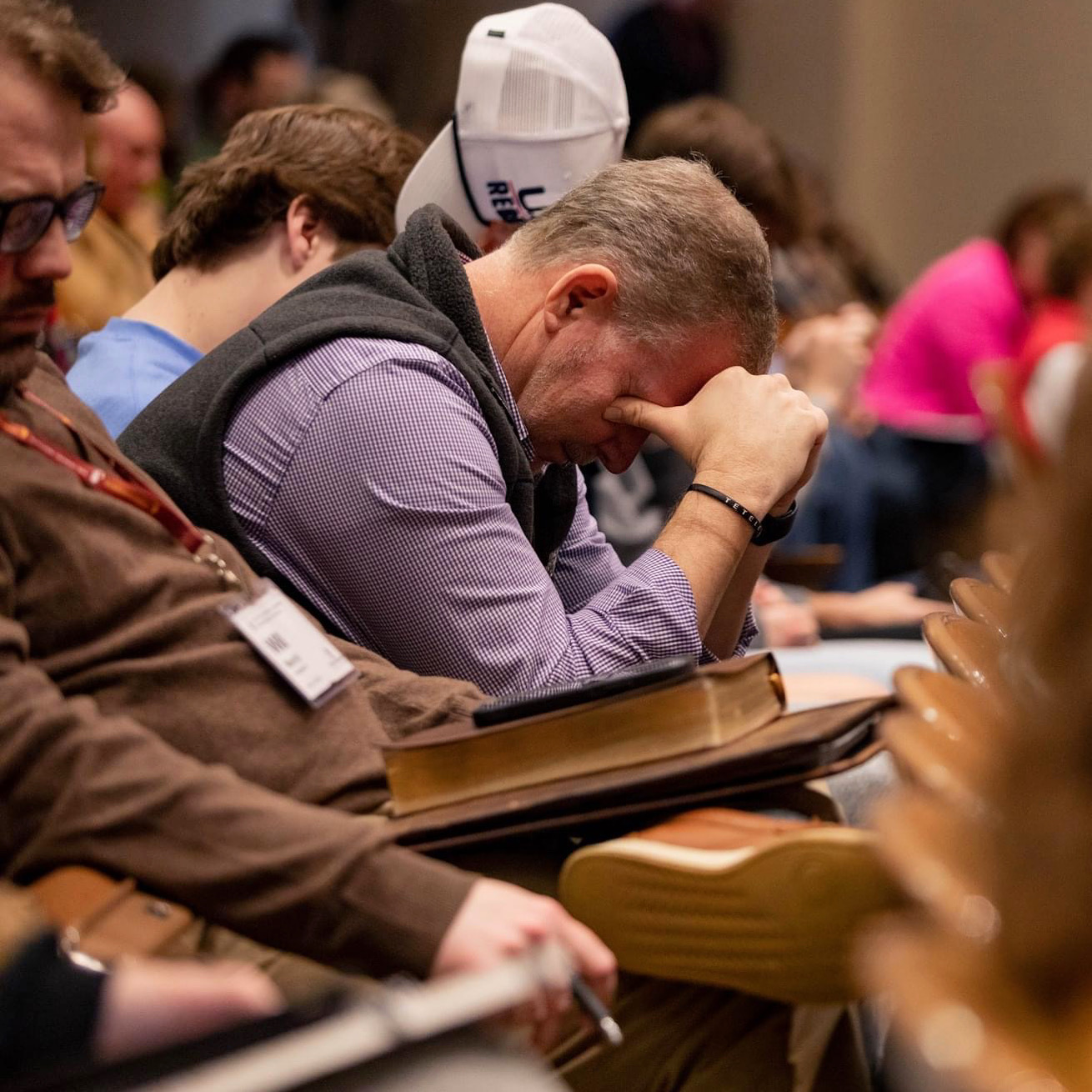
“Search me” is an invitation for God’s eye to be trained upon my own thoughts and motivations.
Unless I am willing to acknowledge God’s right as my Creator and Sustainer to search me and to reveal my own character, I miss out a vital tool in my spiritual growth. People often say “God knows my heart,” and while that is certainly true, we need to also ask God to reveal the secrets and subtleties of our own hearts to us.
Only with such God-centered discernment can we ever see ourselves truly.
We cannot know ourselves without the faithful presence and perspective of God. When we fail to see ourselves truly, we inevitably yield to compromise and self-centeredness. We become indulgent of our own faults and embittered toward the failings of others. Our own hearts are incapable of maintaining an honest perspective without the refining presence of God. When we allow God to truly search us, see us, and reveal our true nature to us, we will receive clarity and insight that may be hard to hear, but will serve to mature our faith.
With God’s vision, we are empowered to both admit our errors and allow ourselves a greater measure of grace.
The greatest treasures in the life of faith can only be revealed when we allow our greatest hurts to be healed by God’s love. And such healing demands both the awareness of our wrongs and the admission of our need.
Unless we open ourselves willingly to God’s refining judgment, we miss out the growth and gains that can come only from the ever-flowing provision of His grace.
God does know our hearts, and He longs to reveal them to us as well.
When this revelation of our own reality occurs and is acknowledged, genuine humility is experienced and genuine healing can begin.

 will norrid writes