
Slowing Down, Listening Up


While writing in my favorite coffeeshop last week, a professor at our local university who I had not seen recently walked by and said, “Will, it’s good to see you. How long have you been here?”

Thinking he meant serving the church in our community, I replied, “Over 20 years now.”

He gave me a slightly puzzled look.

“I meant in this coffeeshop. I must have missed you when I walked in.”

My answer was accurate, but not accurate for the question he was actually asking. Life can be like that as well; we are giving a right answer, but we have failed to truly understand the nature of the question.

Much of the conflict and confusion in our culture comes from missed (or missing) communication. We spend a lot of time talking, but too often we are talking passed one another. Because we often focus on responding to others rather than reflecting on what they truly mean, we end up confused and frustrated. How can I better hear what others are saying when topics arise where we disagree?

Turn down the temperature. One issue that quickly can sidetrack a conversation is when the level of emotion becomes elevated too quickly. This type of heated exchange fuels cable news, talk radio, and religious discussion boards, but often causes potentially meaningful conversations to fizzle. If I am passionate about an issue, I must also consider that the other person may be just as passionate. This realization is especially helpful if I take the time to realize that I may not be as personally invested in the subject as my counterpart. If we are discussing adoption, I may have many well-researched ideas, but if the person sitting across from me was adopted as a child or is currently in the adoption process after years of infertility, I do not share the same connection to the subject. This realization is not some type of moral relativism, it is simply acknowledging the fact that no two people come to any conversation with the same background, and our experiences deeply shape our thoughts and emotions. The writer of Proverbs 15:1 wisely notes the need to “chill out” before responding in anger and says, “A soft answer turns away wrath, but a harsh word stirs up anger.” When I can pause to gentle and soften the conversation, I stand a better chance of both truly hearing and being heard.

Consider the time and place. It is also important to consider the timing and setting of the exchange. If a person confronts me with an online comment at 2 AM, I won’t see it immediately, can choose to ignore it, or if needed, follow up privately. If a person asks me something in a one-on-one conversation, I have more time and focus to respond well rather than being put on the spot in a larger group like in a staff meeting or church assembly. Not every question merits a response, and not every answer needs to be given in an immediate, public way. Our instant, social media-saturated world tells us that to respond quickly is to win, but the opposite is almost always true. The person who can slow down and consider the best, most helpful way to respond in the specific setting is more likely to make a lasting difference.

When we fail to pay attention to others, we open ourselves up to confusion and conflict. As we live each day, may we seek to imitate the Prince of Peace who understood and modeled the power of listening and faithfully responding to people’s needs in ways that best fit the demands of the moment.

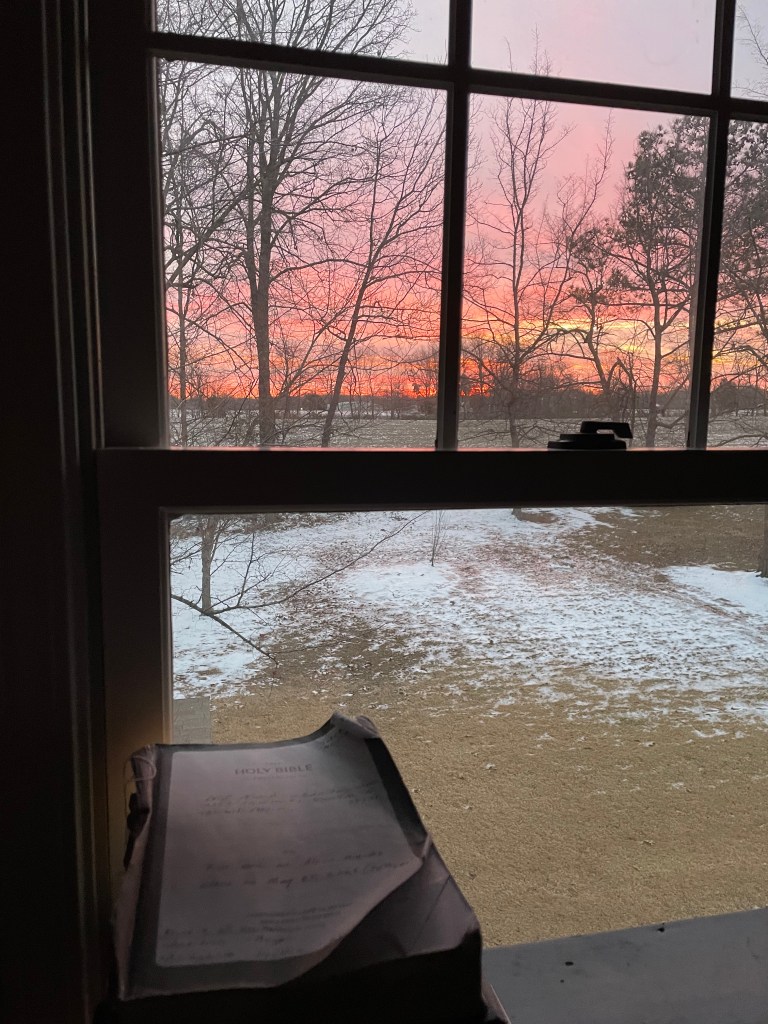
Fully Known & Fully Loved


“I’m fine.”

It’s likely we have received or offered this generic line many times when responding to the classic question, “How are you?” Many of us spend a great deal of time and energy seeking to be (or at least appear) self-sufficient in the eyes of those around us. The reason for this attitude differs- pride at our own ability to handle things, a genuine desire to not worry others, or even our unawareness of our own needs.

One of our greatest desires as human beings is to be able to share experiences and to relate to those around us. We have witnessed this when small children go off to school, when we travel abroad, or when seniors move into a new retirement community. In the midst of new and potentially overwhelming situations, we long to find a person with who we can relate to and share our discomfort. One true friend, a helpful local who speaks our language, or a friendly face to welcome us serve as blessings that give us the strength to keep going in tough moments.

On the other hand, one of our great fears lies in the idea that if people really knew us, they would not love us, care for us, or help us. This mindset can have long and lasting negative results. Such an attitude can cause us to avoid engaging with others to seem strong and competent. Sometimes the impact is relatively small like when we refuse to ask for help in a store or resist asking for directions in driving- we may be delayed and frustrated, but we are more inconvenienced than hurt. Other situations, like denying help for addiction or struggling alone with anxiety or depression, can have life-changing impact if we are not able to overcome fear and to receive the support we need.

To be human is to be made of dust and to be made of dust is to be vulnerable, and yet many of us spend a great deal of time and effort seeking to convince those around us we are fine just as we are and do not need help from anyone.

In our relationship with God, we do not have to fear being known. He already knows us fully, and He loves us completely. He appreciates all that we are and all that we try to be, and He also sees the darkness that many of us seek to avoid dealing with by pushing it deeper to the corners of our lives.

We constantly strive to build up our own defenses even as our loving Father offers not stronger defenses against our worst impulses but divinely-empowered deliverance from them.

One attribute God possesses that we do not is the ability to know the entirety of a situation. As people, we may downplay, mislead, or intentionally lie about when we are struggling and dealing with conflict and trials, but there is no hiding the needs of our hearts from God. He already knows, and He welcomes us, broken as we all are, to come to Him.

We all long to be more fully known and yet we fear that if we are completely honest, we will not be loved.

Thankfully, God’s love is not based on our perfection, but in His nature.

The great blessing comes when we cease to struggle against this love, and rather gratefully accept it and live our lives out of its reality. In Christ, we are called to not only accept His gracious love for us but to receive it gladly then to turn and extend it to others.

Accepting this loving reality of relationship forever alters our answer to the question, “How are you?”

“I am loved.”

Near to the heart of God


In times of uncertainty and pain as well as seasons of joy and calm, our daily goal as believers should be to draw nearer to the heart of God. We do this though paying attention to our emotions, filling our minds with Scripture, serving others, and lifting up our hearts in prayer.

I offer this prayer this week, and I hope you will use/adapt its words to fit the particular challenges and celebrations you may be facing today.


Lord, we ask to receive and acknowledge the appointed blessings You offer us this day. Help us not to grasp and grab, but to open our hearts and our hands to gratefully accept all that You seek to provide.

Grant us the ability to see the good around us and to praise You for it.

Help us to see blessings even in the midst of life’s burdensome seasons. Give us the awareness to appreciate grace even when it comes disguised as hard work, disappointment, or loss.

We would ask for the ability to see and discern what is best and most aligned for Your will for our lives.

Lord, help us to see ourselves.

Allow us to be honest and open with both our gifts and with our shortcomings.

Help us to realize and repent when we embrace paths that do not lead us into closer communion with You. Strengthen us to turn from such dangerous distractions and self-focused aims.

Only in appreciating our own weakness can we truly recognize our need to walk in continuous relationship with You.

We ask that our hearts would continually be open to Your nearness, and in this awareness, may we seek to share our hope with others.

We pray for the people we encounter each day- whether family in our homes or strangers on the street.

For those who do not know You, we pray for open eyes, open hearts, and opportunities to be impacted through the goods news found in Christ.

If we are knowingly living in rebellion to Your will, please draw us to Yourself through the message of the Word, faithful friends, and the conviction of conscience.

Give us the ability to live by faith- not rooted in our own self-will, but in every way aligned more and more to Your will for us.

Help us to praise the good works going on around us regardless of who will receive the credit. Allow us to be people who look to encourage rather than those who constantly seek to find fault. Help us to stay caring and curious as we navigate our way through this life.

Do not let us grow weary in doing good, but rather help us to develop the rhythms and practices we need to remain healthy even as we seek to serve the struggling. Give us an openness and awareness of people’s needs as we walk through life. Help us to observe and to inquire for ways to help and let us do this for people’s good and Your glory.

As we draw near to You, help us to see that such a focus allows us to draw near to others. Help us, like Jesus, to offer welcome and hope to the world that arises out of an assurance and connection to You.

In Christ’s name, amen.