As Memorial Day arrives this weekend, we remember the sacrifices made by those who have given their lives in service to our country.
Different than Veterans Day or the Fourth of July, Memorial Day is intentionally set aside as a day to remember those who “gave the last full measure of devotion” to uphold our freedoms.
It is ironic that a day intended to provide a national pause for reflection is often seen by many as the kickoff to the increased busyness of the summer season.
While not the first society to set aside times of remembrance, we are living in a time and culture which deeply needs memorial pauses in the midst of our hectic lives.
Scripture is full of memorials and monuments that were recognized and celebrated by God’s people. These holidays/places were established both so that the people could remember the great moments in their shared history and so they could use those memories as a means to teach the next generation.
Scripture speaks about both times for remembrance (Passover; Purim) as well as special places dedicated as memorials. Abraham’s one land purchase in Canaan was a dedicated burial ground. In later centuries, the tabernacle/temple centered the holidays and sacrifices around a visible reminder of God’s presence. While these holy places were expensively furnished and elaborately decorated, most memorials lacked any such finery- their value was tied to an event in the people’s collective memory.
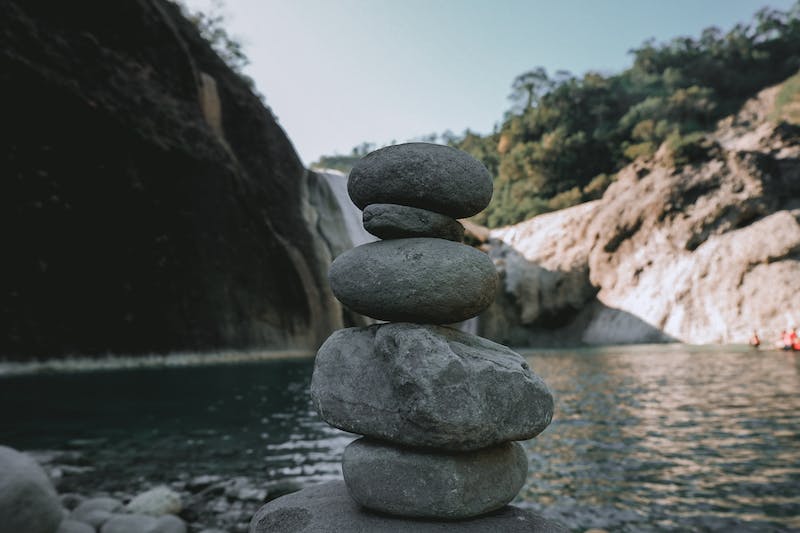
In Joshua 4, God’s people piled up rocks at the Jordan River as they crossed over on dry land. One set of stones was placed in the midst of the riverbed and another on the shore where the people camped after crossing over. Each memorial contained a symbolic number of stones (12) and was given with the specific purpose of providing a prompt for witnesses as they recounted the miracle to their children.
In a land full of finely-carved idols, these rough stones served to remind the people that their own craftsmanship and skill could provide nothing to compare with the power of the one true God. The stones were to offer an answer from the past to the future question, “what do these stones mean to you?”
In the coming years, the older generation could point at the stones and say, “I will never forget that day- the river was at flood stage and far beyond its banks, but as the priests stepped forward, the LORD stacked up the waters in a heap, and the whole nation, thousands upon thousands of us, walked across on dry land just as our parents had crossed the Red Sea. When we moved forward, the LORD opened the way for us. And, at His word, we gathered up and placed these stones so that we might never, ever forget our deliverance.”
It would be wonderful to say the people of God always took the time to remember and reflect on God’s provision and power, but sadly, neither the Old Testament believers or New Testament saints perfected the ability to keep such memories fresh in their minds.
In each generation, as people forgot the past or commercialized the faith, new voices (such as Elijah, Josiah, John the Baptist) were needed to remind God’s people of the past in order to equip them for the present and prepare them for the future.
We are no different.
In a world that always seems to be moving faster, we need to take the time to pause and to remember.
As God’s people, we need the reminders of past blessing and the strength such memories provide to build up hope in the present.
As we reflect on those who sacrificed for our country in the coming days, may we remember and give thanks. May we likewise remember the blessings experienced in the life of faith, and seek to faithfully pass this legacy forward to the next generation.
 will norrid writes